Column · @gardenjournal46
Why Botanical Illustration Mattered to Flower Traders
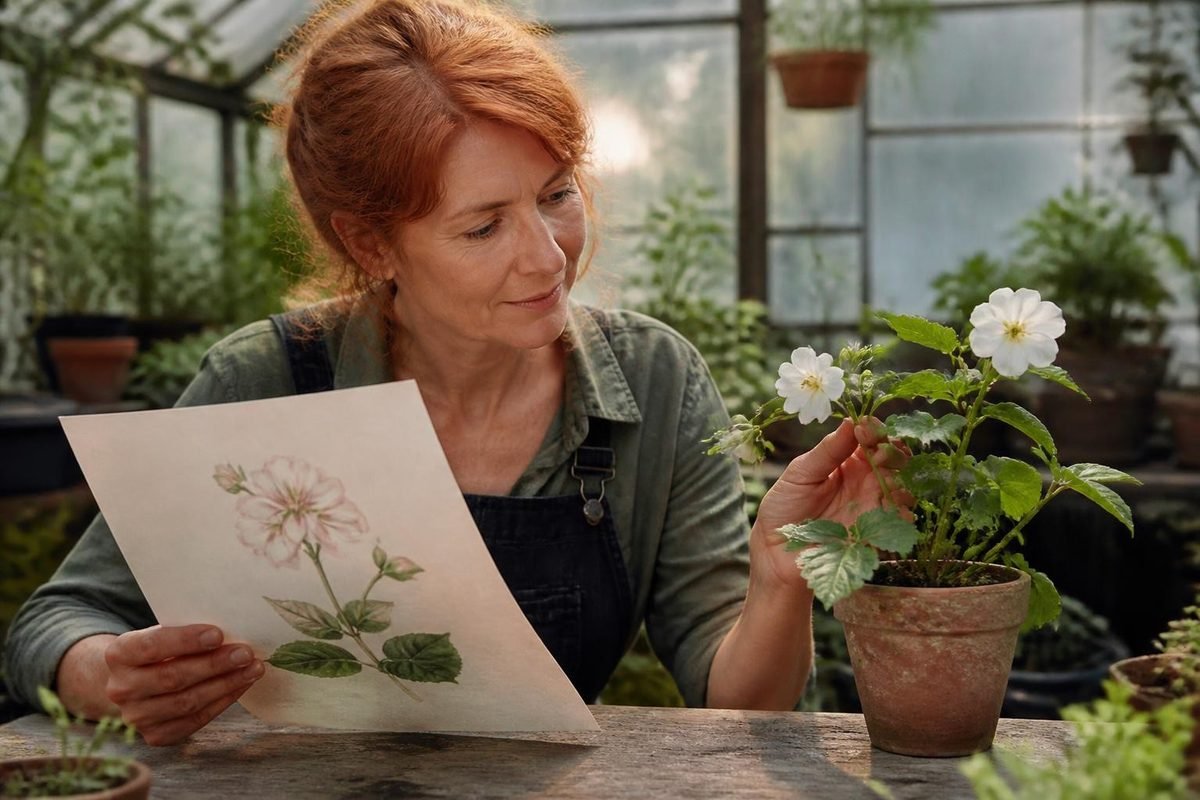
Botanical illustration became important to flower traders because it gave them a way to show and identify plants when fresh flowers could not travel well. A careful drawing could preserve visible details of a flower and help people discuss it across distances.
Flowers were difficult to transport
Long before modern refrigeration, a cut flower could wilt quickly in transit. Living plants and seeds could also be damaged or lost on long journeys. Even a successful shipment might arrive when a plant was not in bloom.
An illustration offered a record that could travel separately from the plant. It could show a flower open, with its leaves and stem, even if the recipient had only a bulb, a seed, or a dormant plant to examine. That made it easier to describe what was being offered.
Drawings could also document plants that a collector had seen but could not bring home alive. They did not replace the plants themselves, but they gave traders and other interested people something concrete to study and discuss.
Details helped people identify plants
Many flowers resemble one another at first glance. A botanical illustrator could pay close attention to the shape of a leaf, the arrangement of petals, and the structure inside a bloom. Such details mattered when people were trying to tell plants apart.
A useful illustration might show more than the flower at its most attractive. Depending on its purpose, it could include:
- A flowering stem with its leaves attached
- A separate view of a petal or reproductive structure
- A bulb, root, fruit, or seed
- Views of the plant at different stages of growth
These features gave a viewer more evidence than a name alone. Plant names could vary between places, and a shared name did not always guarantee that two people meant the same plant.
A record for buyers and sellers
Illustrations appeared in books and catalogues that helped people learn about plants and their appearance. For a trader or prospective buyer, an image could make an unfamiliar flower easier to understand before a plant changed hands.
Accuracy still mattered. An image could be affected by the artist's skill, the specimen available, or the printing and colouring process. A drawing was useful evidence, not a guarantee that every plant would look exactly the same in a different garden.
Illustrations also served botanists and gardeners, whose interests overlapped with trade. A picture made for study could help others recognize and discuss a plant, while commercial interest could create demand for images of flowers.
Common questions
Why not send a fresh flower instead?
Fresh flowers are fragile and may not survive a long journey. A drawing could preserve their visible form for much longer.
Were illustrations used only to sell flowers?
No. They were also used to study, identify, and document plants. The same image could be useful to people with different interests.
Did an illustration prove a plant's identity?
Not by itself. An accurate image could support identification, but its usefulness depended on the details shown and the quality of the work.
Why include roots or seeds in a flower picture?
Those parts can help distinguish plants that have similar blooms. They can also show what someone might receive when a plant is not flowering.
A good companion read: organising a surprise gift remotely